
Foodborne Infections and Diseases
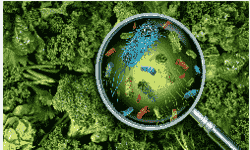 Foodborne disease (as foodborne illness or food poisoning) is any illness that results from the consumption of contaminated food, contaminated with pathogenic bacteria, viruses, or parasites. Foodborne disease globally is still not under control and outbreaks can cause health and economic losses. There are 31 main foodborne pathogens causing diseases; the significant ones such as Salmonella nontyphoidal, Campylobacter, Listeria, and Shiga toxin-producing Escherichia coli are monitored by national authorities, and outbreaks are assessed in depth to assess trends and determine the steps necessary to combat future outbreaks.
- Emerging foodborne pathogens
- Causes and symptoms of foodborne illness
- Microbial Toxins, Virulence and Toxicity
- Bacteria and Enterotoxins
- Mycotoxins and alimentary mycotoxicoses
- Incubation period and Infectious dose
- Viruses and parasites
- Food poisoning
- Intoxications
- Epidemiology of foodborne illness
- Food Toxicology and Allergies